Email Scraping for Lead Generation: Build a B2B Contact List Fast
Email scraping for lead generation helps you build targeted B2B contact lists fast. Learn tools, workflows, and compliance tips for safe cold outreach

On this page (8 sections)
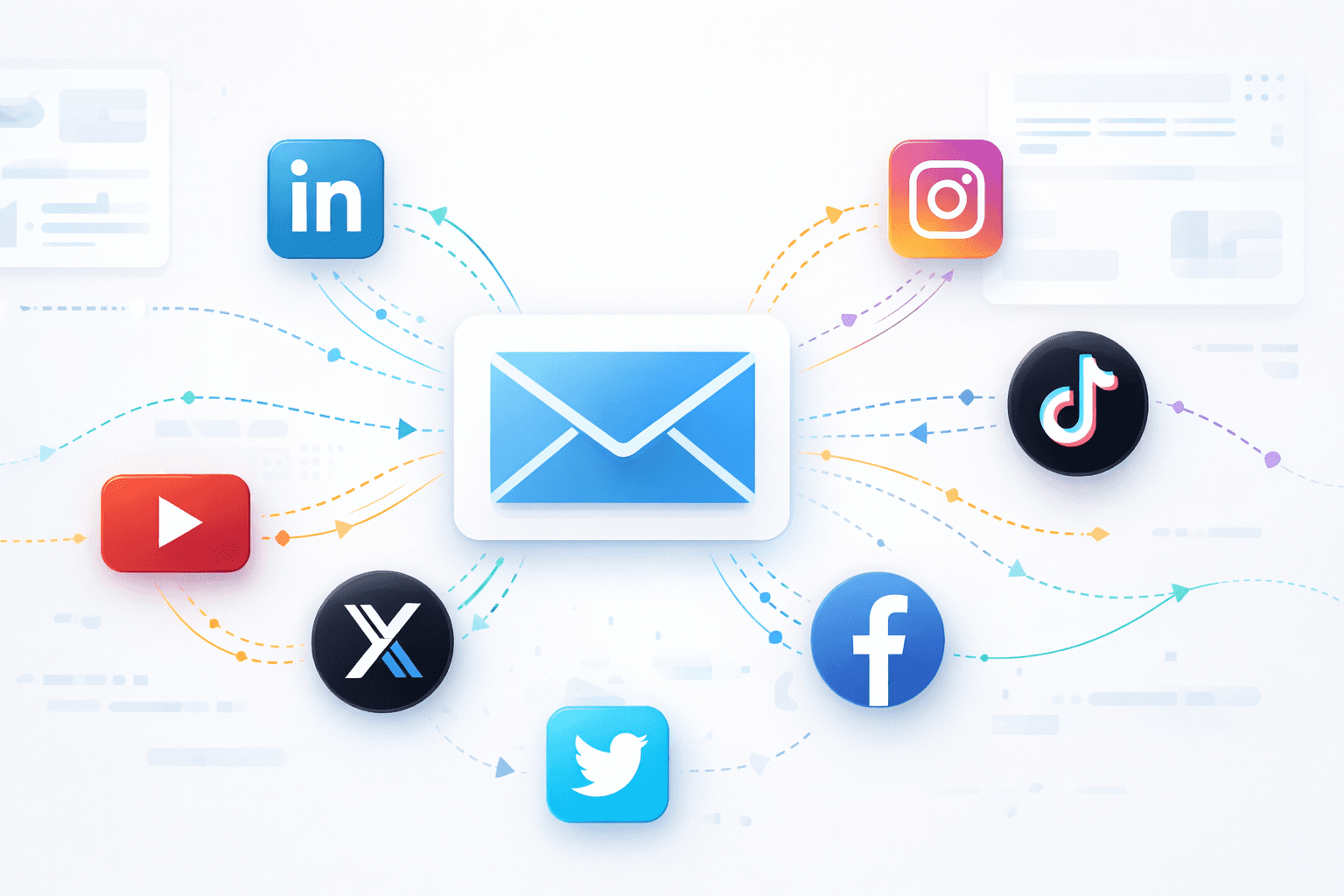
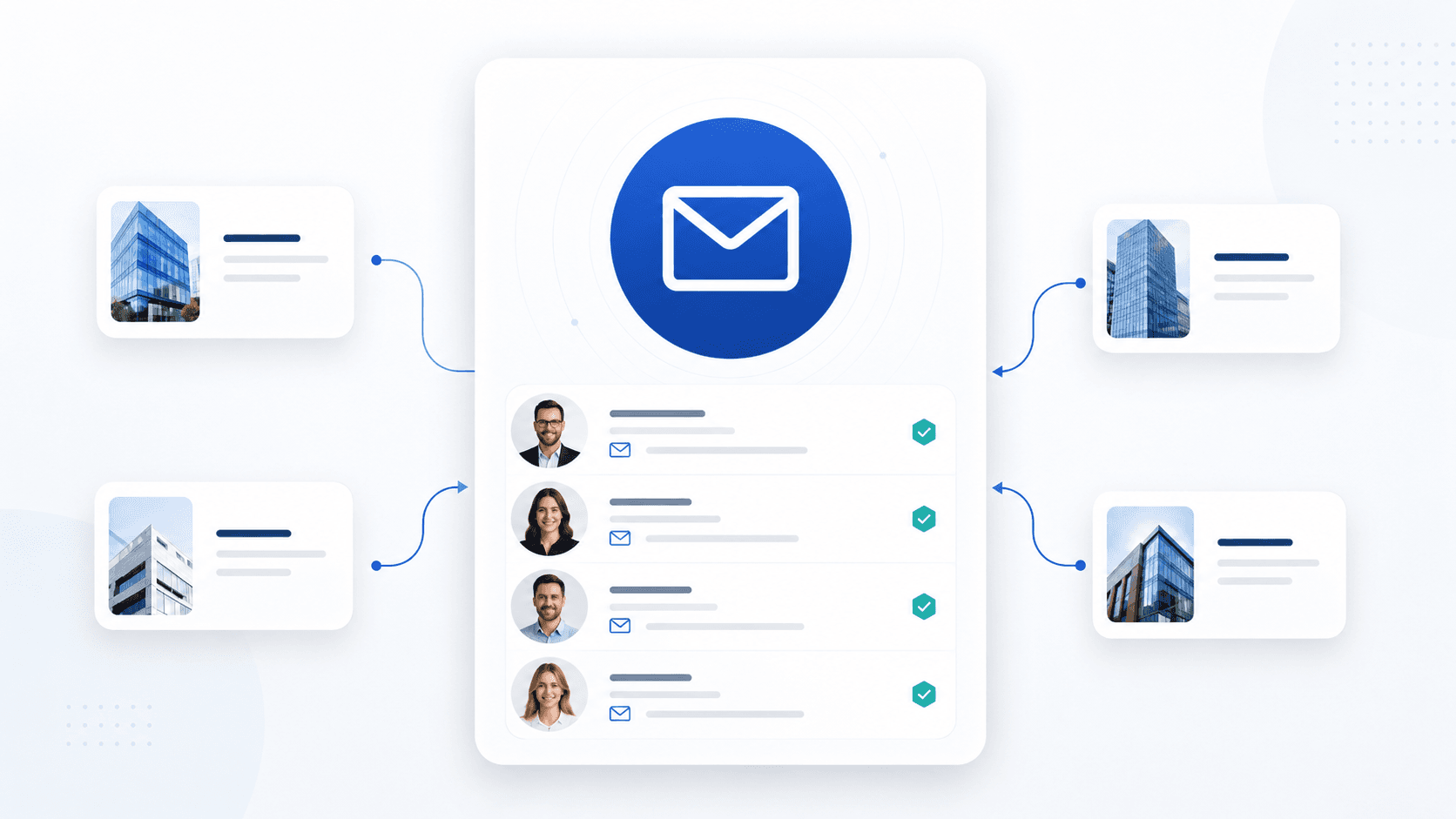
Email scraping for lead generation is one of the fastest ways to build a targeted B2B contact list using publicly available data in 2026. It combines scraping tools, data enrichment, and email verification to turn scattered contact details into structured lead pipelines.
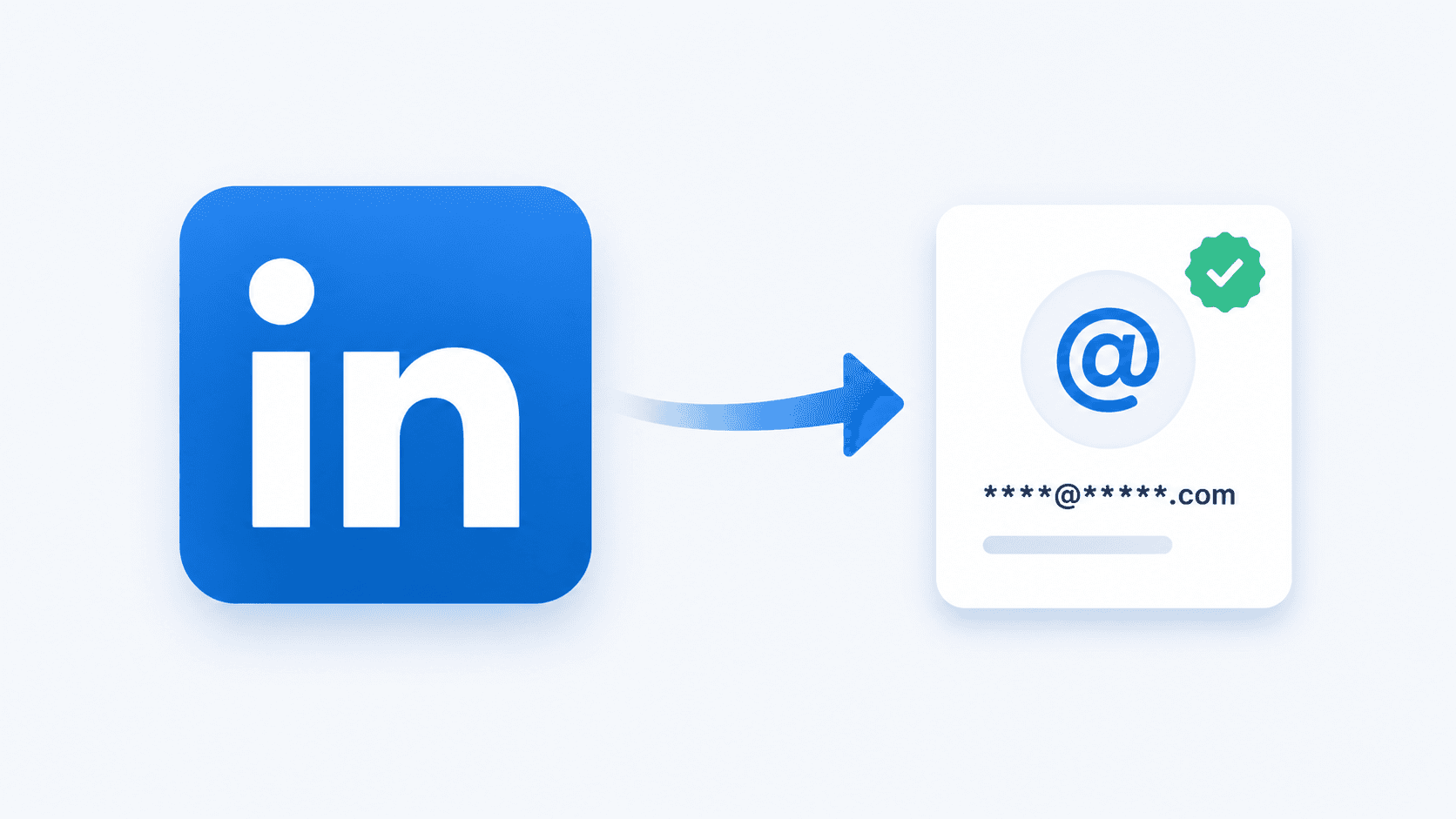
This guide explains how email scraping works in real-world lead generation, how to extract emails from company websites, LinkedIn profiles, and social media, and how to convert raw contact data into verified business emails ready for cold email campaigns.
Email Scraping for Lead Generation: The Short Answer
Email scraping for lead generation is the process of collecting email addresses and contact details from publicly available data sources such as company websites, directories, and social media profiles.
However, raw scraped emails are not a high-quality B2B contact list. Without verifying invalid addresses, removing duplicates, and enriching company information, you only have bulk email data—not a usable outbound pipeline.
A standard workflow looks like:
-
Scraping → extract emails and contact data
-
Verification → remove invalid addresses and check verification status
-
Deduplication → clean repeated contacts
-
Enrichment → add job title, company size, and domain
-
Segmentation → build targeted lead lists
-
Compliance → ensure safe usage
-
Controlled outreach → launch cold email campaigns
In the next section, we move from definition to execution—how to build a B2B contact list fast with high data quality.
What Is Email Scraping for B2B Lead Generation?
Email scraping for B2B lead generation is a focused form of web scraping that extracts business email addresses and professional contact data for sales prospecting and marketing campaigns.
How Email Scraping Works in B2B Prospecting
Email scraping tools scan sources like:
-
Company websites and domain pages
-
Social media platforms
-
Google search results and directories
The process:
-
Input → keywords, job title, company domain
-
Engine → scraping tool pulls data
-
Output → email addresses, phone numbers, company information
This transforms browsing websites into structured datasets used by prospecting tools to identify potential customers.
Email Scraping vs Buying B2B Lead Lists
Buying a B2B contact database often results in outdated or low-quality data.
Common issues:
-
Invalid addresses
-
Low data accuracy
-
No ICP alignment
Email scraping gives you:
-
Fresh, real-time data from search engines and social platforms
-
Control over targeting (industry, company size, role)
-
Higher relevance for cold email campaigns
Instead of relying on external providers, you build your own verified email dataset.
What Data You Get From Email Scraping
A modern email scraper or bulk email finder can extract:
-
Email addresses (professional email addresses)
-
Full name and job title
-
Company name and company domain
-
LinkedIn profiles or social URLs
-
Phone numbers or direct phone numbers (if available)
-
Location and industry
Each field improves:
-
Segmentation → industry, company size
-
Personalization → LinkedIn or source context
-
Routing → assign leads to sales teams
These data points form the backbone of targeted lead lists used in B2B email list building.
How to Build a B2B Contact List Fast With Email Scraping
Email scraping for lead generation becomes effective when paired with a structured workflow and the right tools.
Define Your Ideal Customer Profile (ICP) First
Your ICP determines who you should target before running any scraping tool.
Without ICP:
-
You collect irrelevant contact data
-
Lead quality drops
-
Outreach performance declines
Define:
-
Industry
-
Job title / seniority
-
Company size
-
Location
-
Pain points
Example:
-
SaaS founder using specific tech stack
-
Marketing agency owner targeting local business clients
Choose the Right Public Data Sources
Map your ICP to the right sources:
-
LinkedIn Sales Navigator → B2B professionals
-
Instagram / YouTube → creators, brands
-
Google Maps → local business leads
-
Company websites → direct contact data
-
Directories → niche industries
Avoid random bulk search strategies that prioritize volume over data quality.
Scrape Relevant Emails and Profile Data
Use email scraping tools or email scraping software to extract emails at scale:
-
Bulk search via keywords
-
Scrape emails from followers, commenters
-
Extract emails from search engines
Modern tools support:
-
Bulk email extraction
-
Bulk email lookup
-
Multiple contacts per company
Always store:
-
Source URL
-
LinkedIn profile
-
Company domain
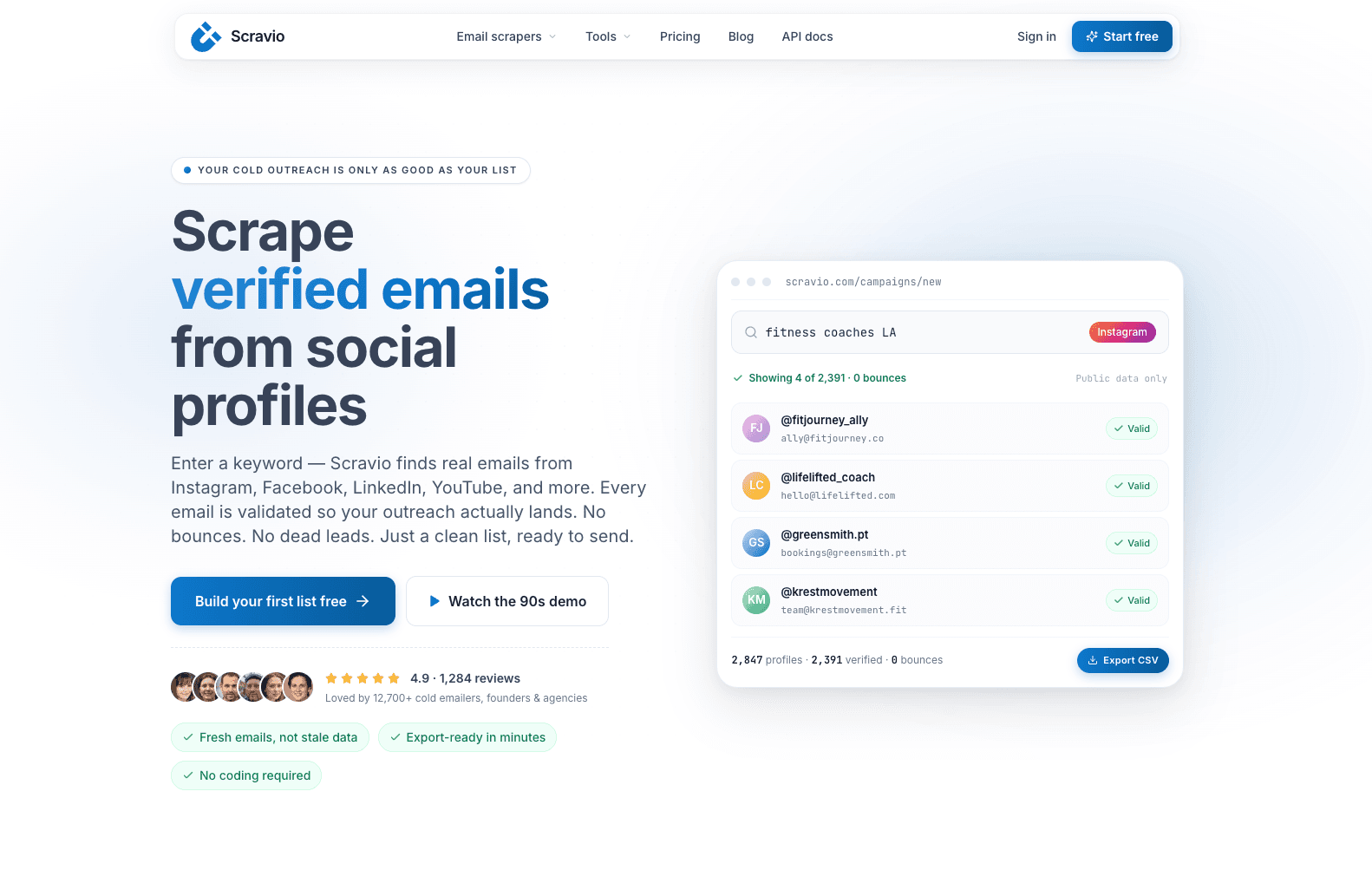
If you want a streamlined workflow across LinkedIn, Instagram, and YouTube, Scravio is a cloud-based email scraper with built-in email verification, data enrichment, and CRM integration. It offers free credits so you can test before scaling.
Verify and Deduplicate Your B2B Email List
Email verification protects sender reputation and improves deliverability.
Verification removes:
-
Invalid addresses
-
Disposable emails
-
Risky domains
A clean list ensures:
-
Higher open rates
-
Lower bounce rates
-
Better campaign performance
You can combine built-in email verification with external tools if needed, but keeping everything in one workflow improves efficiency.
Enrich and Segment Leads for Better Targeting
Data enrichment enhances contact records:
-
Company size
-
Revenue (if available)
-
Tech stack
-
Social media presence
Segmentation helps:
-
Build targeted lead lists
-
Personalize messaging
-
Improve campaign ROI
Example segments:
-
SaaS founders in US
-
Local business owners from Google Maps
-
Agencies using specific tools
Export to CSV, Sheets, or CRM and Start Controlled Outreach
Export data into:
-
Google Sheets
-
CRM systems
-
CSV files
Before launching:
-
Standardize fields
-
Tag campaigns
-
Check data accuracy
Start small:
-
Test cold email campaigns
-
Monitor sender reputation and replies
-
Scale gradually
When Should You Use Email Scraping to Build a B2B Contact List?
Email scraping for lead generation is ideal when:
-
You need fast access to potential customers
-
You already have a clear ICP
-
You want fresh data from search engines or social media
-
You run outbound marketing campaigns or sales prospecting
It is less suitable when:
-
You rely entirely on buying data
-
You lack tools or workflows to process data
-
You don’t have a clear targeting strategy
Best Email Scraping Tools and Workflows for B2B Lead Generation
Choosing the right email scraping tools directly impacts data coverage, accuracy, and scalability.
Types of Email Scraping Tools for B2B Lead Generation
Common types include:
-
Chrome extension / browser extension → quick scraping from LinkedIn or websites
-
Desktop tools → more control but limited scalability
-
Cloud-based tools → large scale lead generation with automation
-
Single-channel tools → focused but limited
-
Multi-channel tools → broader data coverage
Cloud-based tools are typically better for bulk email extraction and automation without heavy manual work.
Key Features to Look For in B2B Email Scraping Tools
Look for tools with:
-
Multi-source scraping (LinkedIn, Google, social media)
-
Built-in email verification
-
Data enrichment capabilities
-
Bulk email finder and domain search
-
CRM integration
-
API access for scaling
-
User friendly interface
The difference between basic email finders and advanced lead scraping tools lies in workflow completeness and data accuracy.
Example Workflows to Build B2B Contact Lists Fast
Workflow 1: LinkedIn prospecting
-
Use Sales Navigator filters
-
Scrape emails and job titles
-
Verify and segment
-
Export to CRM
Workflow 2: Local business lead generation
-
Use Google Maps
-
Extract emails and phone numbers
-
Verify and enrich
-
Build targeted lead lists
Workflow 3: Social media scraping
-
Scrape emails from followers or commenters
-
Enrich and verify scraped emails
-
Launch cold email campaigns
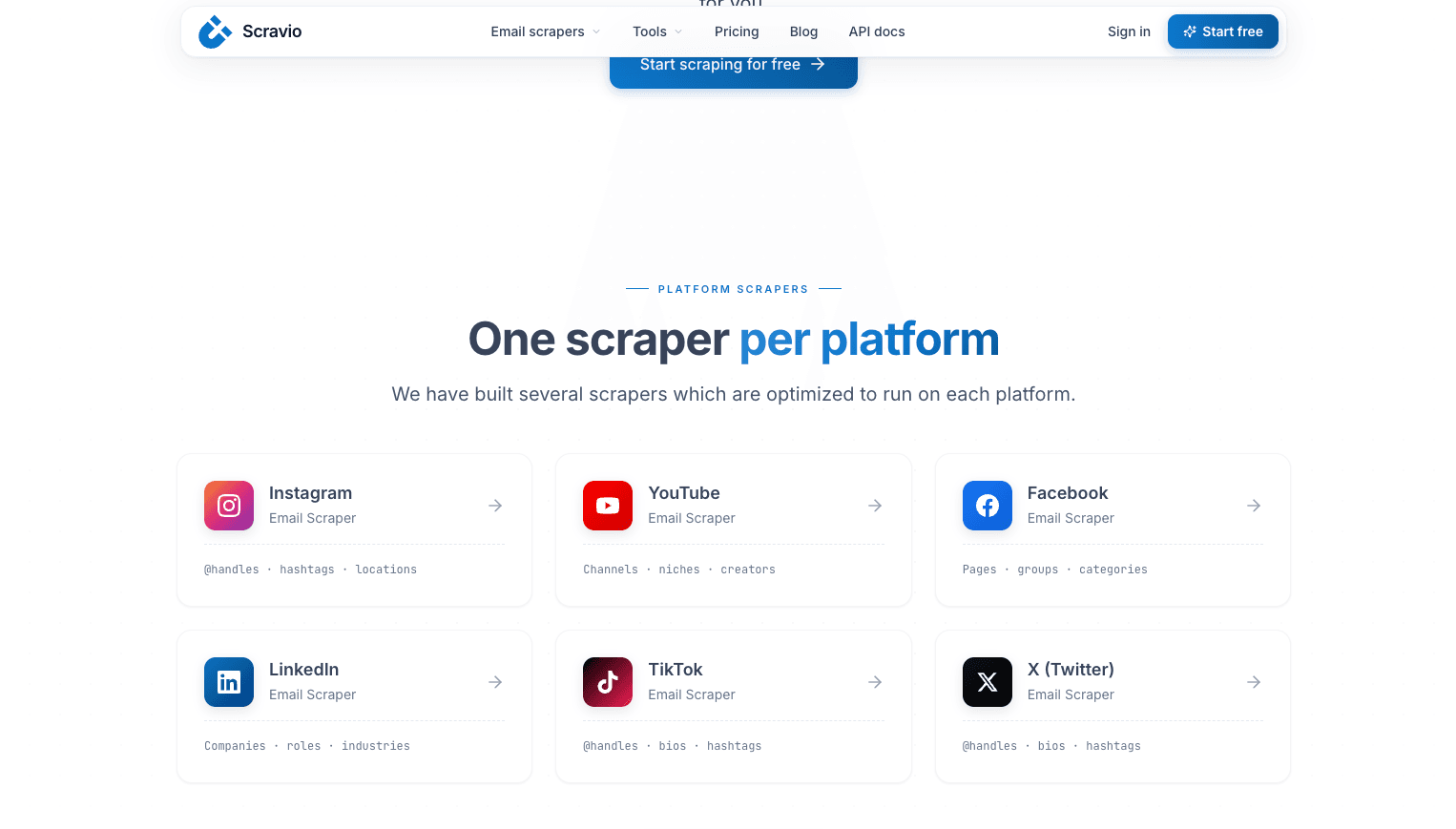
These workflows can be reused across industries and scaled with automation.
If you want deeper playbooks, explore guides like "How to Scrape Emails from LinkedIn" or "How to Build Cold Outreach Email Lists Using Social Media Scraping" on Scravio.
Is Email Scraping Legal for B2B Lead Generation?
Email scraping is legal when collecting publicly available data, but usage must comply with privacy regulations.
Relevant frameworks:
-
GDPR
-
CAN-SPAM
-
ePrivacy
Best practices:
-
Use only public data
-
Include opt-out options
-
Avoid spam behavior
-
Respect unsubscribe requests
Always treat compliance as part of your workflow, not an afterthought.
Common Email Scraping Mistakes That Hurt Lead Generation
Scraping Too Broad and Ignoring ICP
Collecting too much irrelevant data reduces conversion rates.
Fix:
-
Focus on targeted lead lists
-
Refine ICP
Skipping Email Verification and List Cleaning
Unverified emails harm sender reputation.
Fix:
-
Verify scraped emails
-
Maintain clean lists
No Segmentation or Personalization Context
Generic outreach reduces engagement.
Fix:
-
Use segmentation
-
Add context from LinkedIn or source
Ignoring Compliance and Opt-Out
Missing opt-out increases complaints.
Fix:
-
Add unsubscribe
-
Maintain suppression lists
Email Scraping for Lead Generation: Final B2B Contact List Checklist
Targeting and Data Quality Checklist
-
Defined ICP
-
Relevant sources (LinkedIn, Google, websites)
-
Verified email addresses
-
Clean, deduplicated data
Context and Segmentation Checklist
-
Job title, company, and source URL included
-
Segmented lists
-
Enriched company information
Compliance and Outreach Checklist
-
Opt-out included
-
Campaign tracking enabled
-
Continuous optimization
When you’ve completed this checklist, start with a small dataset. If you want an all-in-one workflow with scraping, verification, and enrichment, Scravio offers free credits so you can test before scaling.
Frequently asked questions
Is email scraping good for lead generation?
Yes, email scraping for lead generation is highly effective when combined with verified emails and proper segmentation. It allows you to build targeted lead lists from real-time data instead of relying on outdated databases. The key is maintaining data quality through verification and enrichment.
Can I use scraped emails for cold outreach?
You can use scraped emails for cold email campaigns if they come from publicly available data and you follow regulations like CAN-SPAM or GDPR. Always include opt-out options, avoid misleading messaging, and respect unsubscribe requests to protect sender reputation.
What is the best way to build a B2B contact list fast?
The fastest method is using a structured workflow: define ICP → use email scraping tools → verify emails → enrich data → segment leads → launch controlled outreach. Tools with built-in email verification and automation significantly speed up this process.
How do I verify scraped emails?
You can verify scraped emails using email verification tools that check validity, domain status, and risk level. Many modern email scraping software solutions include built-in email verification, helping you filter invalid addresses before outreach.
What data should I collect besides email addresses?
You should collect job title, company name, company domain, LinkedIn profiles, and company size. Additional fields like phone numbers or social media links can improve personalization and increase response rates.
Is email scraping legal?
Email scraping itself is legal when collecting publicly available data, but how you use that data must comply with privacy laws. Always follow best practices like providing opt-out options and avoiding spam-like behavior.
What is the difference between email scraping and buying lead lists?
Email scraping provides fresh, customizable, and targeted data, while bought lists are often static and outdated. Scraping allows you to control data sources and build higher-quality lead lists aligned with your ICP.
How many emails should I scrape before starting outreach?
Start with a small batch of 50–200 verified emails to test campaign performance. Once you confirm open rates, reply rates, and low bounce rates, you can scale to larger lists confidently.
Start your first campaign with 100 free credits
Verified emails from Instagram, Facebook, LinkedIn, X, YouTube, and TikTok — all in one cloud workflow. No card required.