Social Media Email Scraping Guide
Social media email scraping explained: what it is, how it works, where to find emails, legal risks, and smart use cases for compliant outreach.

On this page (7 sections)
TL;DR
-
Social media email scraping means collecting publicly visible email addresses and contact details from social media platforms like Instagram, Facebook, TikTok, YouTube, X/Twitter, and LinkedIn for lead generation and outreach.
-
Social media email scraper tools automatically collect email addresses and profile data from social media profiles using keywords, followers, and engagement, then extract emails plus context such as niche and location.
-
It is only safe when you focus on scraping publicly available data, comply with email scraping legal requirements (GDPR, CAN‑SPAM, CCPA), and respect platform rules to protect your sender reputation.
-
The best use cases are B2B prospecting, B2C campaigns, creator and KOL outreach, and recruitment—not mass bulk email extraction or untargeted marketing campaigns.
-
Choose a user friendly interface in a cloud-based email scraping tool that can verify, deduplicate, and export to CSV or CRM integration so scraped data stays accurate and easy to use.
-
You can test flows like scraping emails from Instagram followers and LinkedIn profiles with a free plan or free tier credits before scaling with paid features such as API access and bulk email search.
What Is Social Media Email Scraping?
Simple Definition and How It Differs from Classic Email Scraping
Social media email scraping is the process of extracting email addresses and other contact details from social media profiles and public pages, then turning them into structured lead lists for email outreach. Unlike scraping emails from generic web pages or public websites, social media email scraping works across social media platforms and social media links, where people actively share business email addresses and professional email addresses. A social media email scraper is a specialized email scraper or email extractor that focuses on social media profiles and sometimes LinkedIn and company websites, not just random domains.
Traditional email scraping tools and email finders often rely on domain based email search and email patterns inferred from company websites and online directories. In contrast, modern tools extract emails directly from social media profiles, LinkedIn profiles, and even Google Maps listings to capture publicly available business emails and verified business emails. For lead generation, this gives you more relevant potential customers and sales-ready contacts than generic addresses scraped blindly from the web.
Key Pros and Cons
Main advantages:
-
Highly targeted lead generation from social media profiles based on niche, followers, hashtags, and engagement instead of random web crawling.
-
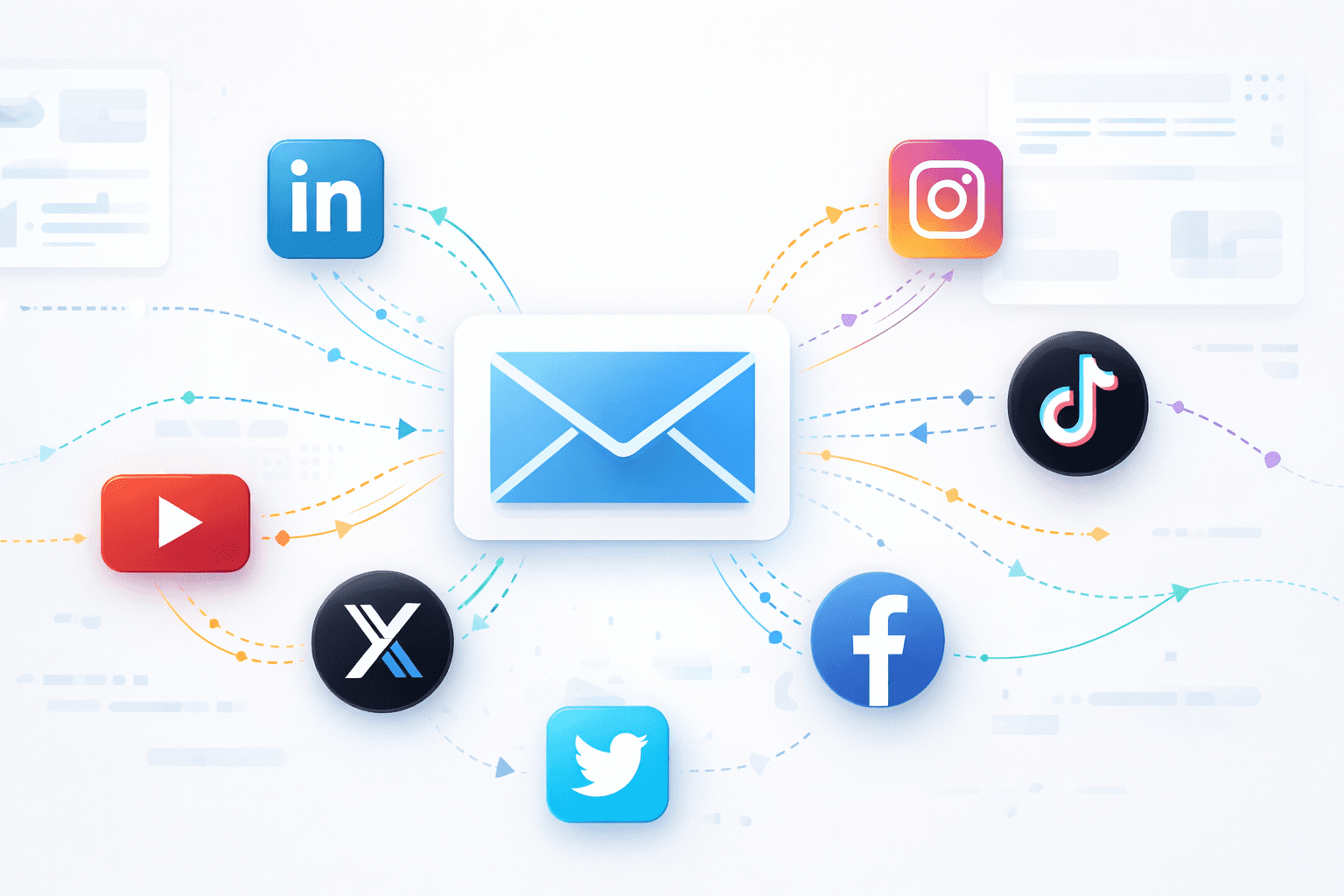
Ability to extract emails from multiple social media platforms in one workflow, combining social media links, LinkedIn profiles, and Google Maps as data sources.
-
Scalable email extraction and bulk email search that can handle multiple email addresses per profile and bulk email extraction for sales teams and marketing agencies.
-
Built in verification, real time verification, and email verification features that improve data accuracy and reduce bounced emails.
Main drawbacks and risks:
-
Email scraping legal complexity across regions: CAN‑SPAM in the US, GDPR for European contacts, and local data protection laws require careful use of scraped data.
-
Platform policy risk if you scrape aggressively, use unsupported scraping tools, or ignore limits on scraping publicly visible content.
-
Quality variance in scraped data; you still need verified emails and strong validation to protect sender reputation and long‑term deliverability.
How Social Media Email Scraping Works
From Finding Profiles to Extracting Public Emails
A typical social media email scraping project starts by figuring out who your target audience is, then setting out to scan through social media profiles and any associated web pages to track down email addresses. You can use a social media email scraper by keyword to track down people on LinkedIn, Instagram or Twitter who fit your ideal customer profile (ICP) - and then the tool will automatically round up their email addresses and other contact details. Another approach is audience based discovery, where you collect email addresses from the followers, people who like your posts, commenters on your posts or members of specific groups on Instagram.
Going on behind the scenes, the tool probably combines web crawling, using LinkedIn scrapers & domain based email searches on company websites to make more data available. Some pretty modern tools also come with API integration, so sales people & teams can just plug in email finding flows directly into the systems & CRMs their teams use. At this point the goal is to fish out email addresses, phone numbers where we can get them, social media links and other useful details that make each contact useful for reaching out to.
Enriching, Verifying, and Cleaning Your Data
Raw scraped data is rarely ready for marketing campaigns. Professional tools add advanced features such as data extraction for company names, roles, locations, and automatic formatting for fields like names and email formats. They also run email verification and real time verification to check whether emails are deliverable and to produce verified emails or verified business emails.
Cleaning the dataset typically includes:
-
Removing duplicate email addresses and obvious generic addresses that do not fit your targeting.
-
Standardizing metadata for CRM integration and Google Sheets exports so marketing campaigns and sales pipelines stay consistent.
-
Flagging risky or low‑quality contacts based on user feedback, bounce history, or weak data source signals.
Deduplicating and Exporting to Your Tools
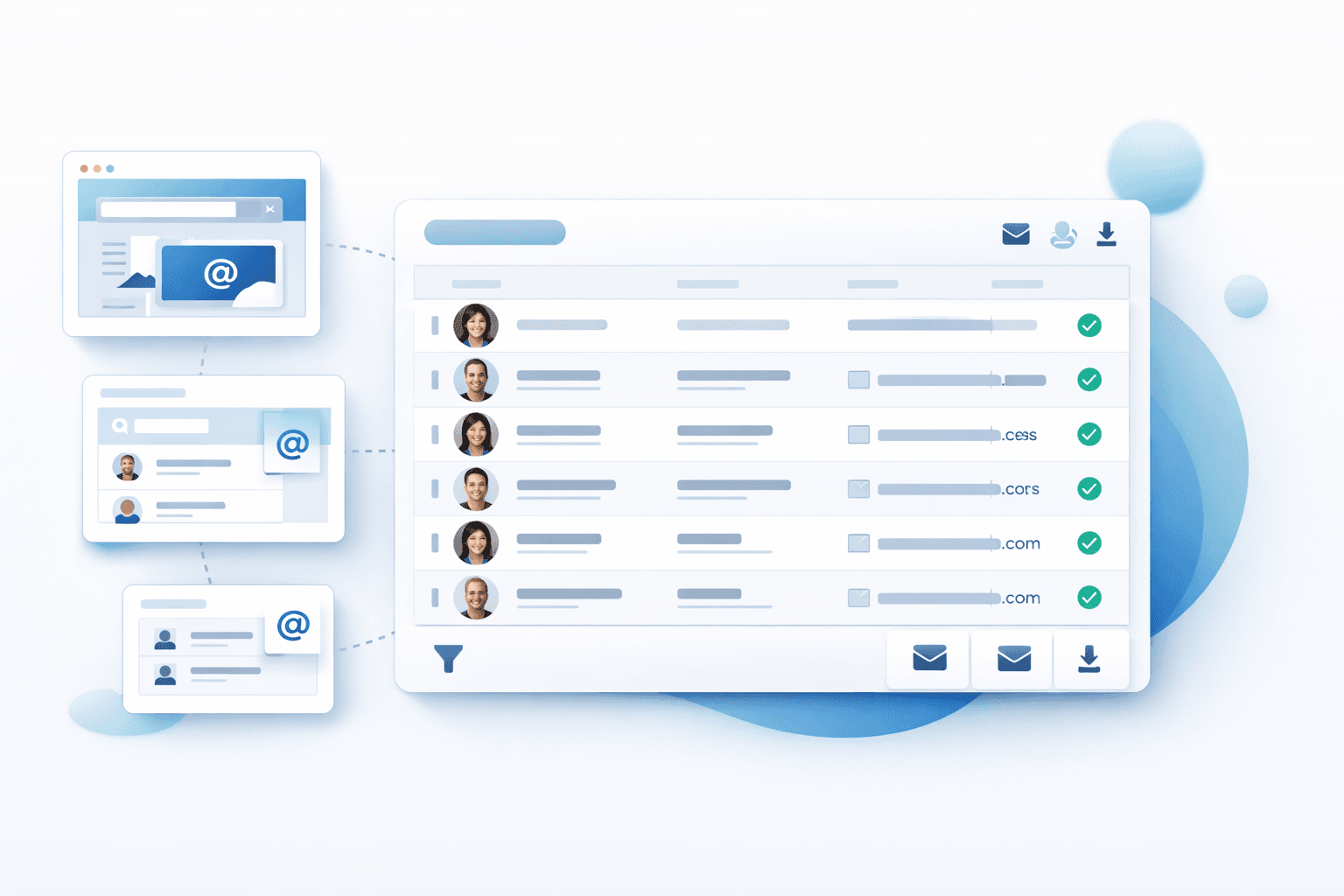
After enrichment and cleaning, you need to avoid duplicate emails across different scraping campaigns and data sources. A robust social media email scraping tool will keep track of previously scraped data and automatically skip multiple email addresses that already exist in your CRM or email lists. Then you can export to CSV, Excel, Google Sheets, or push directly into CRMs, email outreach tools, and marketing automation platforms.
This step also ensures that your sales reps and marketing agencies work from a single source of truth instead of conflicting copies of scraped data. Over time, this approach supports better tracking of user feedback, campaign performance, and list hygiene.
Where Can You Find Emails on Social Media?
LinkedIn and X/Twitter for B2B and Professional Leads
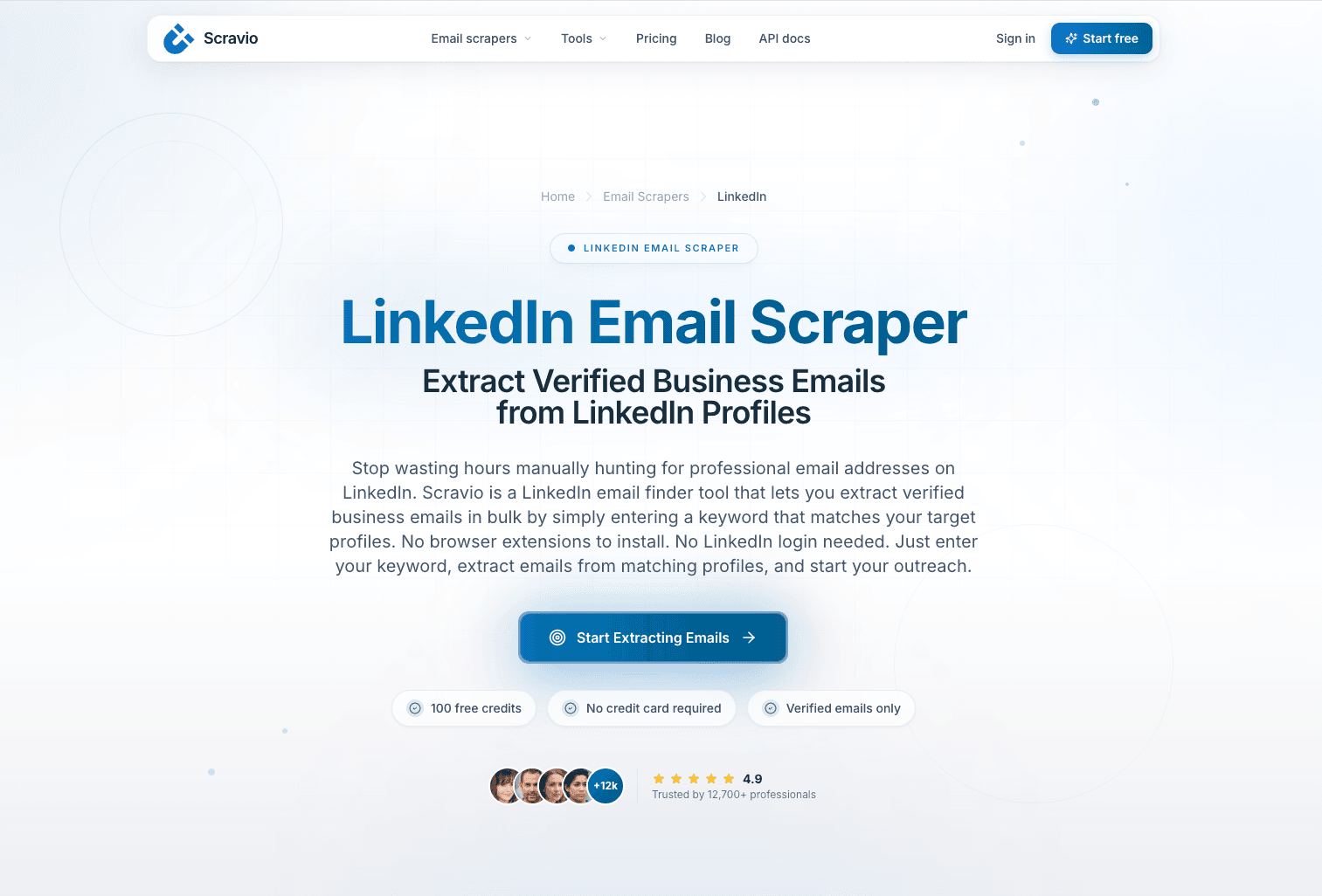
LinkedIn and X/Twitter are core social media platforms for professional email addresses and B2B contact details. With LinkedIn scrapers and Sales Navigator filters, you can focus on titles, industries, or regions and then use a social media email scraper to extract email addresses from LinkedIn profiles and related company websites. On X/Twitter, you can search by keyword, follower graph, or topics and use scraping tools to find contact details for thought leaders and prospects.
This is especially useful for sales teams that want domain based email search and direct outreach to decision‑makers. When connected to your CRM integration, these flows ensure that sales reps can move from discovery to email outreach with minimal manual work.
Instagram and TikTok for Creators and Local Businesses
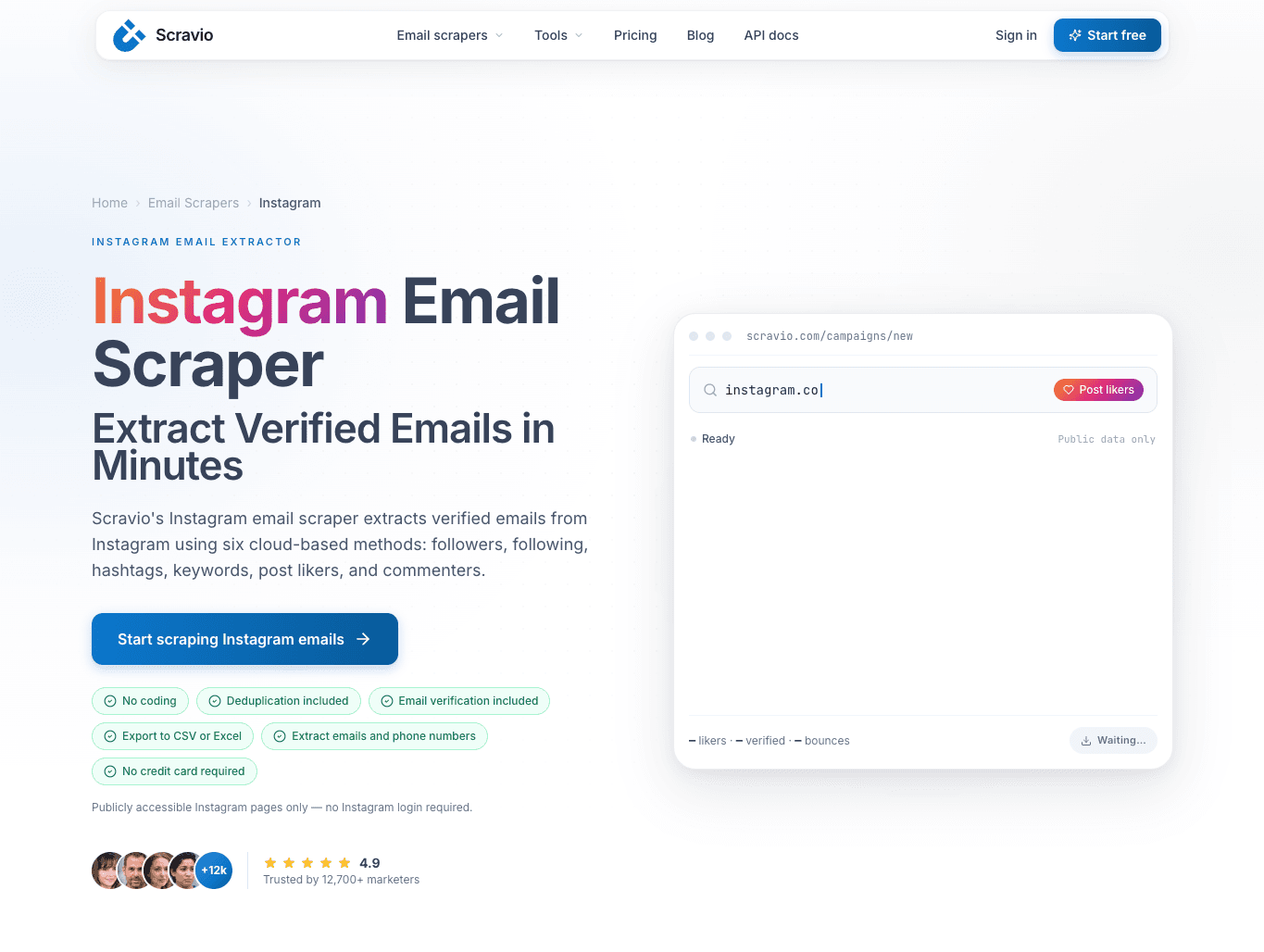
Instagram and TikTok are the way to go when you focus on the really valuable stuff - working with content creators, Key Opinion Leaders, and local businesses - instead of trying to sell to huge corporate organisations. You can then grab emails from the followers of a brand on Instagram, either by digging up the lot from a specific hashtag or from folks who like and comment on particular posts - and then merge that with a bunch of other stuff like social media profiles and what you might guess are business email addresses. It's a similar thing on TikTok too, where a lot of the time creators will actually list their business email address and phone number just so people can get in touch for sponsorship opportunities or User Generated Content campaigns.
When it comes to these niches though - content creators, KOLs and small businesses - using social media to scrape emails actually gives you pretty instant access to loads of potential customers and partners who are already super active in your area of interest. Because the information is all on public profiles and websites, you don't have to worry too much about bending the rules on email harvesting - as long as you're making sure you respect the folks whose info you're using and are letting them opt out if they want to.
YouTube and Facebook for Brands, Communities, and SMBs
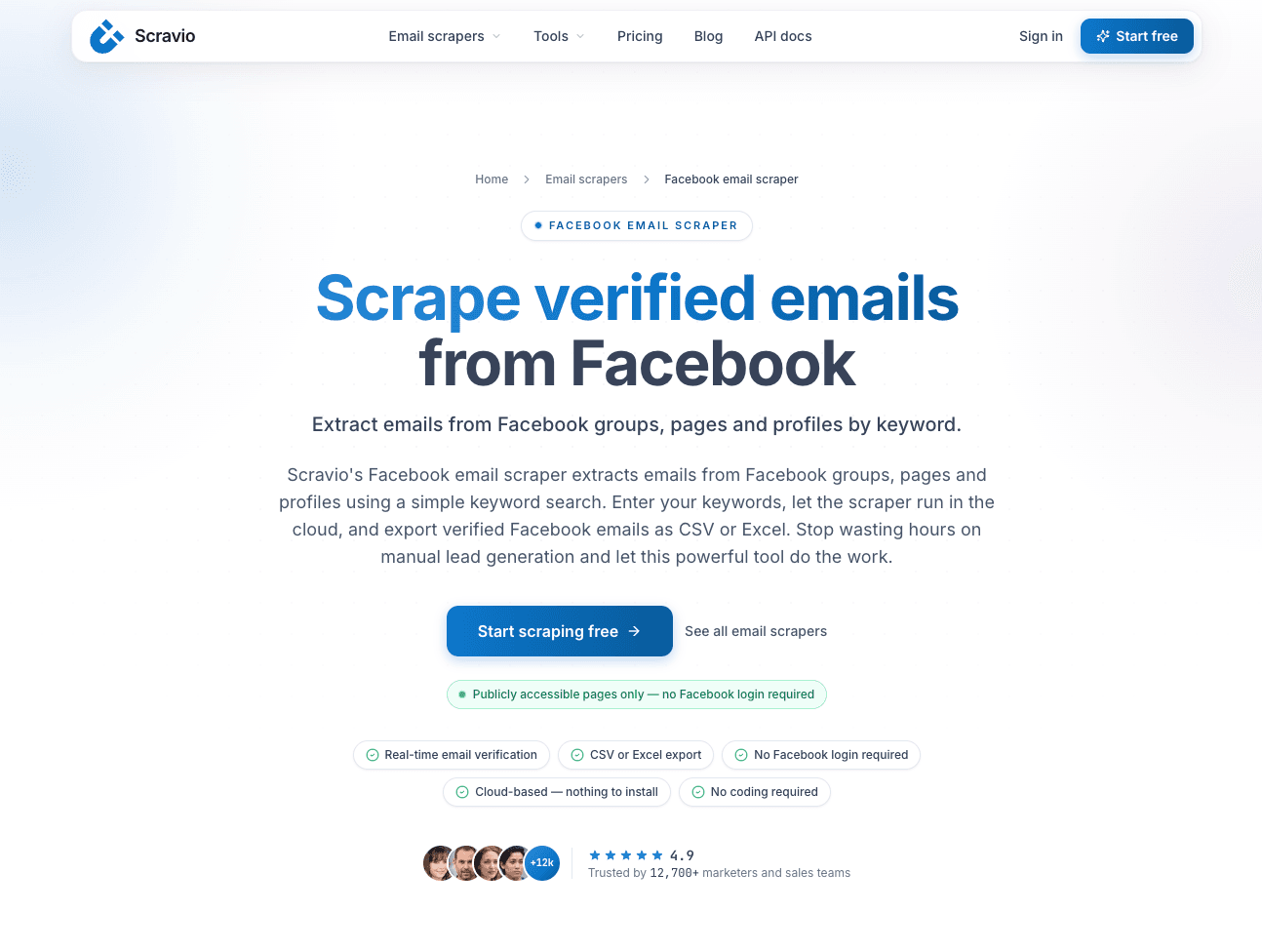
YouTube and Facebook are strong channels for brands, communities, and SMBs that list contact details for support, partnerships, or bookings. YouTube channel pages and About sections often contain business email addresses, while Facebook pages may list multiple email addresses and phone numbers. Scraping tools can extract emails and phone numbers from these public sections and feed them into your lead generation workflows.
This is especially valuable for marketing agencies that manage local campaigns and want verified business emails from real businesses rather than generic directories. Again, combining this with email verification and automatic formatting improves data accuracy and usability.
What Data Should You Collect Besides Email Addresses?
Identity and Profile Context (Username, Profile URL, Bio)
Beyond email addresses, you want identity-level context so outreach does not feel cold or random. A good email scraping tool captures usernames, display names, profile URLs, bios, and social media links so you understand who you are contacting. This information also helps you keep data extraction consistent when you sync into CRM systems, Google Sheets, or other tools.
Having clear profile context means your email outreach can reference the right social media profiles and avoid awkward mistakes. It also allows your team to quickly review scraped data before launching campaigns.
Business and Targeting Data (Company, Role, Niche, Location)
Business and targeting data determine whether a contact matches your offer. Ideally, your social media email scraper will extract or enrich company names, roles, industries, locations, and sometimes phone numbers or job boards references. You can then filter scraped data to focus on specific market segments, such as agencies, SaaS startups, or local service providers.
This structured targeting layer helps both sales teams and marketing agencies run more efficient marketing campaigns. It also reduces reliance on generic addresses that rarely convert.
Behavioral Signals (Hashtags, Post Likers, Commenters, Followers)
Behavioral signals show intent and interest. If you scrape emails from Instagram followers, post likers, or commenters, you tap into users who already interact with related brands or content. Combined with hashtag-based discovery and online directories, this creates a richer picture than simply scraping emails from random web pages.
By including these signals in your scraped data, you help sales reps prioritize warm prospects and build better sequences. You also improve the chance that user feedback on your outreach will remain positive.
Is Social Media Email Scraping Legal and Safe?
Public Data, Consent, and Platform Rules
From a legal perspective, social media email scraping is tightly linked to how you use scraped data, not just how you extract it. Most regulations allow scraping publicly available data in some form, but using scraped emails for marketing campaigns is regulated under frameworks like CAN‑SPAM, GDPR, and other local laws. You need to respect user consent, provide opt‑out mechanisms, and avoid practices that look like spam or harassment.
You also have to follow platform policies for scraping publicly accessible content, especially on LinkedIn, Facebook, and Instagram. Ignoring these rules can lead to blocked accounts or legal complaints, even if your tool itself is technically capable.
Good Practices to Reduce Legal and Deliverability Risk
To stay safe, treat email scraping as one component of a compliant lead generation strategy. Always verify and validate email addresses, remove bounced emails from lists, and avoid sending to low-quality or unverified data sources. Use clear identification, an unsubscribe link, and honest subject lines in all email outreach to maintain sender reputation.
It is also wise to avoid scraping sensitive categories of data or scraping emails from populations where consent rules are strict, such as some European contacts. Finally, choose modern tools with built in verification and a user friendly interface rather than fragile scripts that do not handle email scraping legal nuances.
Best Use Cases for Social Media Email Scraping
B2B Prospecting, Sales, and Recruitment
B2B prospecting is one of the strongest use cases for social media email scraping. Sales teams can extract emails and business emails from LinkedIn profiles, company websites, and public websites, then sync them into CRMs for systematic follow‑up. Recruiters can use similar flows to source candidates from job boards, LinkedIn, and industry-specific communities.
When you combine verified emails with good copy and moderate sequences, you protect sender reputation and build predictable pipeline. CRM integration and automatic formatting further reduce friction for sales reps.
Creator Outreach, Influencer Partnerships, and UGC Campaigns
For creator outreach, you can use social media email scraping to collect email addresses of Instagram, TikTok, and YouTube creators who match your niche. Marketing agencies and brands can then launch focused campaigns for sponsorships, UGC collaborations, or affiliate programs. Here, the emphasis is on high data accuracy and clear value propositions so creators feel respected.
Since many creators list business email addresses as contact details, this use case aligns well with scraping publicly available business emails. It also benefits from API integration if you want to orchestrate campaigns across multiple platforms.
Agencies, Freelancers, and Community Builders
Agencies and freelancers use social media email scraping to quickly assemble prospect lists for different clients and projects. They often combine a free version or free tier access to tools with paid plans for bulk email search and advanced features such as built in verification. Community builders can use scraped data to invite highly engaged users into newsletters, private groups, or events.
In all these cases, a combination of clean scraped data, clear email formats, and responsible outreach is what turns scraping emails into real relationships and revenue.
Frequently asked questions
Is social media email scraping legal?
Social media email scraping can be legal when you only collect publicly available data and use it in line with CAN‑SPAM, GDPR, CCPA, and other email scraping legal rules, but misuse can still create serious risk.
Can I scrape emails from Instagram or TikTok?
You can scrape emails from Instagram followers or TikTok profiles when emails are public, but you must respect each platform's terms of service and use the data responsibly, not for spam.
Do I need to verify scraped emails before sending campaigns?
Yes, you should always run email verification and remove bounced emails before launching campaigns to protect sender reputation and keep your domain out of spam filters.
What's the best type of tool: extension, desktop, or cloud-based?
For modern tools and scalable email scraping, a cloud-based social media email scraper with API access, built in verification, and CRM integration is usually more reliable than a simple chrome extension or desktop script.
Can I store scraped data in Google Sheets or my CRM?
Yes, most email scraping tools allow export to CSV, Google Sheets, or direct CRM integration, but you remain responsible for how long you keep scraped data and how you use it.
Start your first campaign with 100 free credits
Verified emails from Instagram, Facebook, LinkedIn, X, YouTube, and TikTok — all in one cloud workflow. No card required.