Cold Email vs Email Marketing: Key Differences and When to Use Each
Discover the key differences between cold emailing and email marketing to enhance your outreach strategy. Read the article for practical insights!

On this page (7 sections)
In practice, after working with more than 500 B2B marketing teams, what I see is not just “cold email vs email marketing – which one should we choose,” but something else: many teams mix these two channels into one bucket and end up burning their domains. Cold email and email marketing are like two different “layers” of your sales funnel: one is responsible for opening doors and lead generation, the other for nurturing people who already walked in.
I’m Raymond Le, founder of Scravio – a cloud‑based tool that helps marketers and sales teams find verified emails from LinkedIn, Instagram, and YouTube quickly and at scale. Over the past few years, my team has supported hundreds of outbound cold email campaigns every quarter, and the pattern is clear: when you use each channel for the right job, pipeline grows quickly; when you don’t, you lose both leads and deliverability.
Cold Email vs Email Marketing: The Short Answer
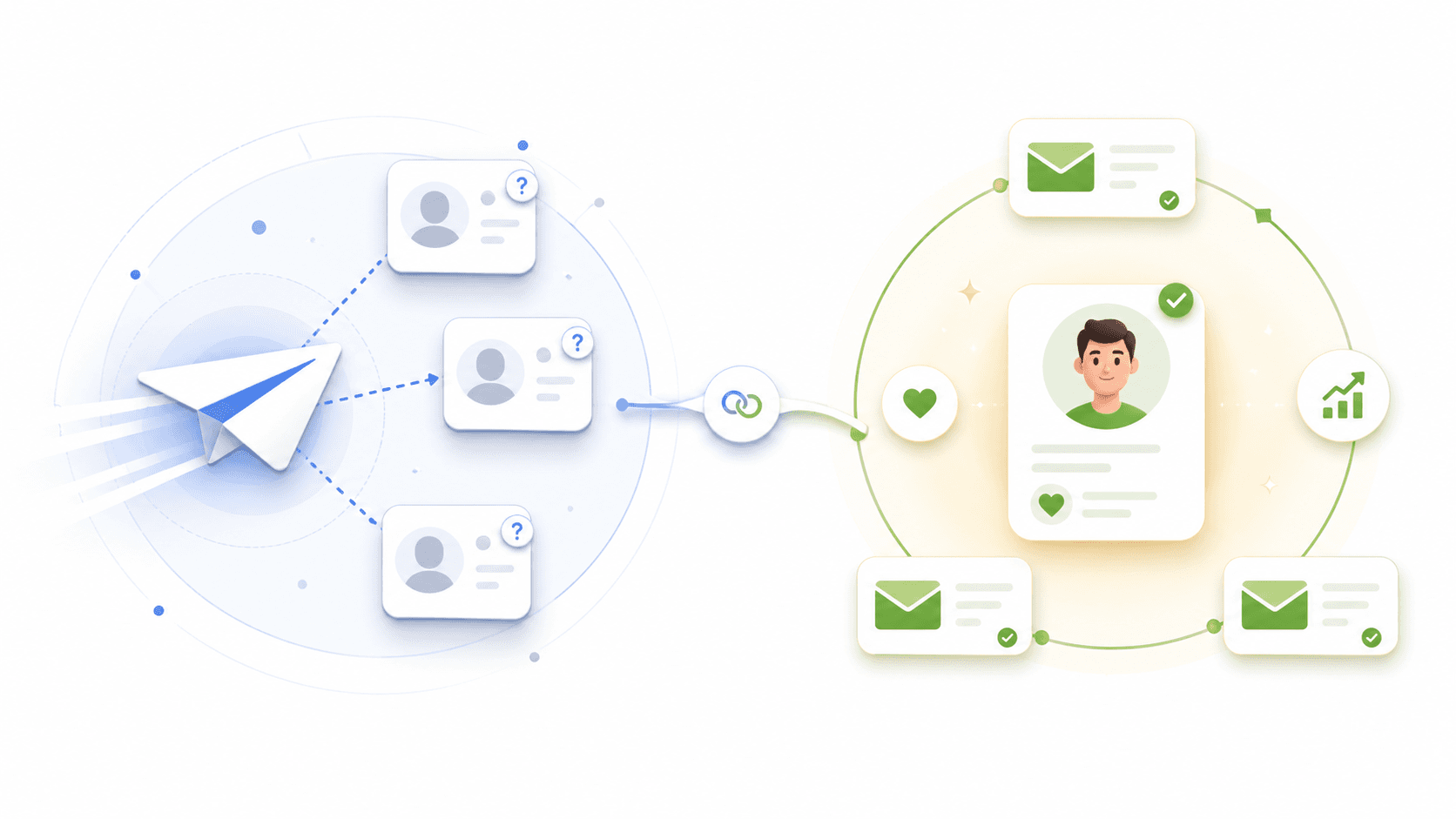
Cold email is outbound marketing: you proactively reach out to potential customers and cold prospects who haven’t heard of you yet, usually through short, personalized messages with one main goal – start a conversation, book a meeting, or validate a new ICP. You are not trying to “nurture” them immediately; your first job is to get them from “never heard of you” to “interested enough to reply.”
Email marketing is inbound marketing’s best friend on the retention side: it’s permission‑based communication, where you send marketing emails to people who have already shown interest and opted in – newsletter subscribers, trial users, and paying customers. They already recognize your brand and expect to receive communications from you, so email marketing campaigns can go deeper: onboarding, education, promotional campaigns, upsells, win‑back sequences – as long as you stay aligned with what they originally signed up for.
If we put it simply: cold email wins on speed and its ability to generate new leads and new prospects from scratch; email marketing shines when it comes to nurturing relationships, building a loyal audience, and increasing revenue per customer. Smart companies don’t treat “cold email vs email marketing” as an either–or decision – they build an integrated marketing strategy where cold outreach fills the top of the funnel and email marketing keeps the brand top of mind and turns one‑time buyers into loyal customers.
Quick Definitions
What Is Cold Email?
Cold email is a personal message sent to potential prospects or potential clients you have no prior relationship with, designed to open a conversation rather than close a sale immediately. It is usually plain‑text, under 150 words, and focused on one very clear call to action: reply, schedule a call, or agree to a specific next step.
Done correctly, cold email is not spam. It relies on publicly available data, verified email users, relevant messaging, and compliance with anti spam laws and regulations such as CAN‑SPAM (US), GDPR (EU), and CASL (Canada) in the allowed B2B contexts. The key difference from spam is that you know exactly who you’re emailing, why they might care, and you always include a visible way to opt out.
If you want a deeper breakdown of cold email fundamentals, infrastructure, and compliance, I cover that in detail in our article “What Is Cold Email? Complete Guide for Beginners 2026” on Scravio.
What Is Email Marketing?
Email marketing is the systematic use of email to communicate with an opted‑in target audience: newsletter subscribers, form leads, trial users, and existing customers. Common examples include welcome series, onboarding flows, newsletters, product announcements, email marketing campaigns for promotions, and win‑back campaigns to re‑engage dormant existing subscribers.
Because recipients have explicitly opted in, email marketing can use HTML templates, branded design, images, and multiple content sections – as long as the content matches the promise you made when they subscribed. Every email should clearly state who you are, why they’re receiving it, and include an easy‑to‑use opt out link to maintain list health and deliverability.
How They Fit into Your Funnel
Cold email operates at the top of the sales funnel: you’re not waiting for people to “accidentally” find your form, you’re going out to find the right target audience and start direct conversations. It’s the fastest channel if you want to test a new ICP, enter a new market, or book meetings quickly to rescue this quarter’s marketing goals and pipeline.
Email marketing operates in the middle and bottom of the funnel: it turns awareness into action and one‑time buyers into long‑term customers. Once someone replies to a cold email, registers for a webinar, downloads a lead magnet, signs up for a trial, or becomes a paying customer, your email marketing strategy takes over to onboard, educate, upsell, and retain them.
The most common mistake I see: using cold email as if it were email marketing (too many sends, heavy HTML, newsletter style) and using your email marketing list as if it were a list for sales prospecting. The result: both channels underperform, spam filters start to flag you, complaints go up, and your domain reputation suffers.
Cold Email vs Email Marketing: Key Differences
Key Differences at a Glance
| Dimension | Cold Email | Email Marketing |
|---|---|---|
| Primary goal | Start conversations, book meetings, create new leads | Nurture leads, drive conversions, retain and expand existing customers |
| Audience | Cold prospects and potential customers with no prior relationship | Subscribers, users, and paying customers who have opted in |
| Consent model | No prior opt‑in, but must comply with laws like CAN‑SPAM, GDPR, CASL | Explicit consent required, always includes a clear and easy opt out |
| Format & tone | Plain‑text, conversational, personalized messages | HTML templates, branded design, more promotional and content‑rich |
| Sending volume | Lower per inbox, spread across cold outreach sequences and domains | Higher volume, sent to large lists in email campaigns and automated flows |
| Key metrics | Reply rate, meetings booked, sales qualified leads, qualified leads | Open rate, click through rates, conversions, churn, lifetime value (LTV) |
These are the key differences that matter when you decide how to use cold emailing and email marketing together.
Goals and Outcomes
Cold email focuses on creating business relationships from a cold starting point. Here, success is not just a “nice open rate” but things you can actually sell from: how many people reply, how many demos or discovery calls get booked, and how many sales qualified leads your sales teams accept.
Looking at more than 500 Scravio cold outreach campaigns in Q1 2026, we see a fairly consistent pattern (this is aggregated internal data, not an industry benchmark):
-
Financial services: around 31% average open rate, 4.2% reply rate
-
SaaS tools: around 38% average open rate, 6.8% reply rate
-
Agencies: around 24% average open rate, 3.1% reply rate
The “why” behind this is straightforward: SaaS buyers are often active on LinkedIn, actively looking at tools and content, so if your message hits the right pain points at the right time, response rates are much higher. Finance decision‑makers are harder to reach – less active on social, inboxes are guarded – but when you do get in, deal sizes are often 3x larger, so a handful of strong replies can justify an entire cold email campaign.
Email marketing is measured differently. Because you’re speaking to people who already know your brand, you care more about:
-
Engagement metrics: opens, clicks, replies, time on site
-
Activation: whether new users complete onboarding and hit key product milestones
-
Revenue: revenue per send, upsell volume, renewal rate, and churn
In well‑run teams, the cold email side tracks replies, meetings, SQLs, and qualified leads, while the email marketing side tracks list growth, engagement and revenue per send. When both sides plug into the same CRM and tagging system, you can see exactly how a lead from “cold email – LinkedIn” compares in LTV to a “newsletter signup” inside your broader email strategy.
Audience and Consent
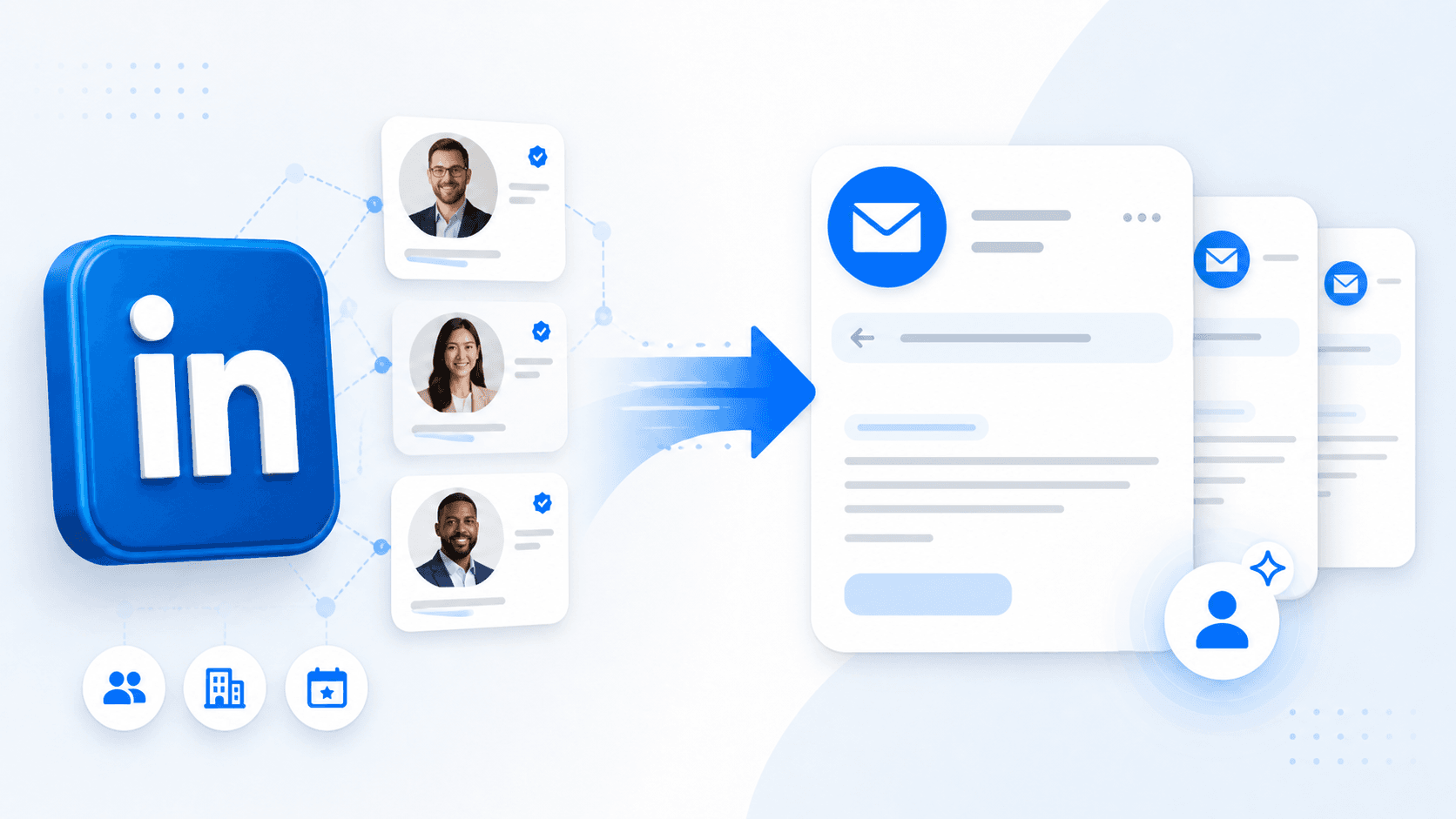
Cold email targets people who haven’t opted in yet. You find them through research, enrichment tools, scraping platforms like Scravio, and databases – but always based on public sources such as LinkedIn profiles, company websites, and social media.
The advice I repeat most often to Scravio users: bad data, purchased lists, and random CSVs are the fastest way to trigger spam complaints, hard bounces, and kill your domains. The more precisely you define your target audience and run targeted campaigns, the fewer emails you need to send to get results.
Legally, each region has its own rules: CAN‑SPAM (US) is relatively opt‑out‑friendly if you’re transparent about who you are, use honest subject lines, and include an opt out in every message; GDPR (EU) and CASL (Canada) are stricter around consent and legitimate interest, especially for B2C or sensitive data. This article is not legal advice – if you’re targeting heavily regulated markets, talk to a lawyer before you scale to avoid legal penalties.
Email marketing is built entirely on consent: people voluntarily give you their email and agree to receive marketing emails on a specific topic (for example, “weekly SaaS growth newsletter” or “product updates”). This model is much easier to maintain: deliverability is higher, unsubscribe rates are lower, and platforms like Mailchimp, Klaviyo, and Brevo actively protect this type of list inside their marketing campaigns.
Content Style, Personalization, and Tools
Cold email should read like a short, focused email you’d send to one person you genuinely want to talk to – not a banner ad. An 80–120 word email with clear context in the opening line, one line that proves you’ve done your homework, one line calling out a real problem, and one specific call to action at the end tends to outperform glossy, generic templates.
From Scravio user data, we consistently see higher response rates from cold outreach campaigns where each email contains one or two very specific hooks: referencing an exact post, project, tech stack, or clear sign that they have the problem you solve. Spending 2–3 minutes researching each prospect is a cost‑effective investment if your deal sizes are in the 5,000–10,000 USD+ range.
Email marketing plays a different game: HTML templates, sections, hero images, and clear CTAs. You can segment by behavior (opens, clicks, purchases), by lifecycle stage (trial, active, churn‑risk), and run sophisticated email marketing campaigns and automations: welcome flows, onboarding sequences, nurtures, win‑backs, and promotions.
The tool ecosystem is also split:
-
Cold email tools: Instantly, Lemlist, and Smartlead focus on deliverability, multi‑domain sending, warmup, and inbox rotation.
-
Email marketing platforms: Mailchimp, Klaviyo, Brevo, and ActiveCampaign focus on templates, automation, list management, and CRM integrations.
When Should You Use Cold Email?
Best Situations for Cold Outreach
Cold email is almost mandatory if you:
-
Need B2B lead generation quickly (SaaS, agencies, consultancies, small businesses selling to busy professionals)
-
Want to test a new ICP before investing heavily in paid ads or long‑form content
-
Need high‑quality meetings to fill your sales team’s calendar in the early stages of your company
Because it’s outbound and highly targeted, if your list is clean and your messaging hits real pain points, you can start generating new pipeline in 2–4 weeks – long before SEO or organic marketing has time to compound.
Ideal Business Types and Deal Sizes
One recent Scravio user case: a sales consultant in Singapore targeted CMOs at mid‑market SaaS companies, sent around 400 cold emails in a month, and booked 23 meetings. The common pattern in the emails that got replies: each one mentioned a specific LinkedIn post the CMO had written, plus a short, meaningful comment – not just a generic “Loved your recent post!”.
For high‑ticket B2B (with LTVs in the 10,000–500,000 USD range), cold email makes a lot of sense. Instead of trying to scale volume, you invest time in sharpening your list, personalizing your outreach, and following up properly – each meeting becomes a real asset, not just a vanity metric.
When Cold Email Is a Bad Idea
I usually advise against cold email if:
-
You sell low‑ticket, mass‑market B2C products (cheap apparel, low‑cost apps, impulse purchases)
-
You can’t maintain data quality and only have purchased lists plus a few merge tags
-
You’re targeting very privacy‑sensitive markets or industries without any legal guidance
In these cases, cold outreach tends to feel intrusive, trip spam filters, and damage your sending reputation. Email marketing, paid ads, and organic social are often safer and more scalable options for reaching new customers at scale.
When Should You Use Email Marketing?
Best Situations for Email Campaigns
Email marketing is your main weapon once you already have:
-
A list of subscribers, trial users, and existing customers
-
A steady stream of content (blog posts, product updates, events, webinars, valuable content)
-
A clear goal to nurture inbound leads rather than just generate more
You use email marketing to:
-
Make sure new users understand your product (onboarding)
-
Stay in touch with leads who are interested but not ready to buy yet
-
Reactivate old customers with new features or offers
Because subscribers expect to hear from you, you can email them more frequently than cold prospects, as long as you stay relevant and avoid turning every single email into a hard sell.
Ideal for Nurturing, Onboarding, and Retention
Email marketing is especially powerful if you:
-
Offer a product that needs explanation or onboarding (SaaS, complex tools)
-
Want to reduce churn and increase expansion revenue (upgrades, add‑ons)
-
Want to build community and turn customers into advocates
In many SaaS teams I work with, a big part of predictable monthly revenue comes from expansions, renewals, and returning customers – all of which are touched multiple times by email marketing before they happen. This is where nurturing relationships via consistent email marketing strategy pays off for long‑term business growth.
When Email Marketing Alone Is Not Enough
Email marketing cannot create new leads by itself. If your inbound traffic is low and nobody is filling out forms, your list will stagnate and performance will slowly decline.
To grow consistently, you need a top‑of‑funnel engine: cold email, SEO, content, paid, partnerships, or some mix of these – in other words, a balance of inbound and outbound marketing. Cold email is one of the easiest levers to pull when you want something you can control without waiting on algorithms or brand.
Can Cold Email and Email Marketing Work Together?
A Simple Funnel Using Both
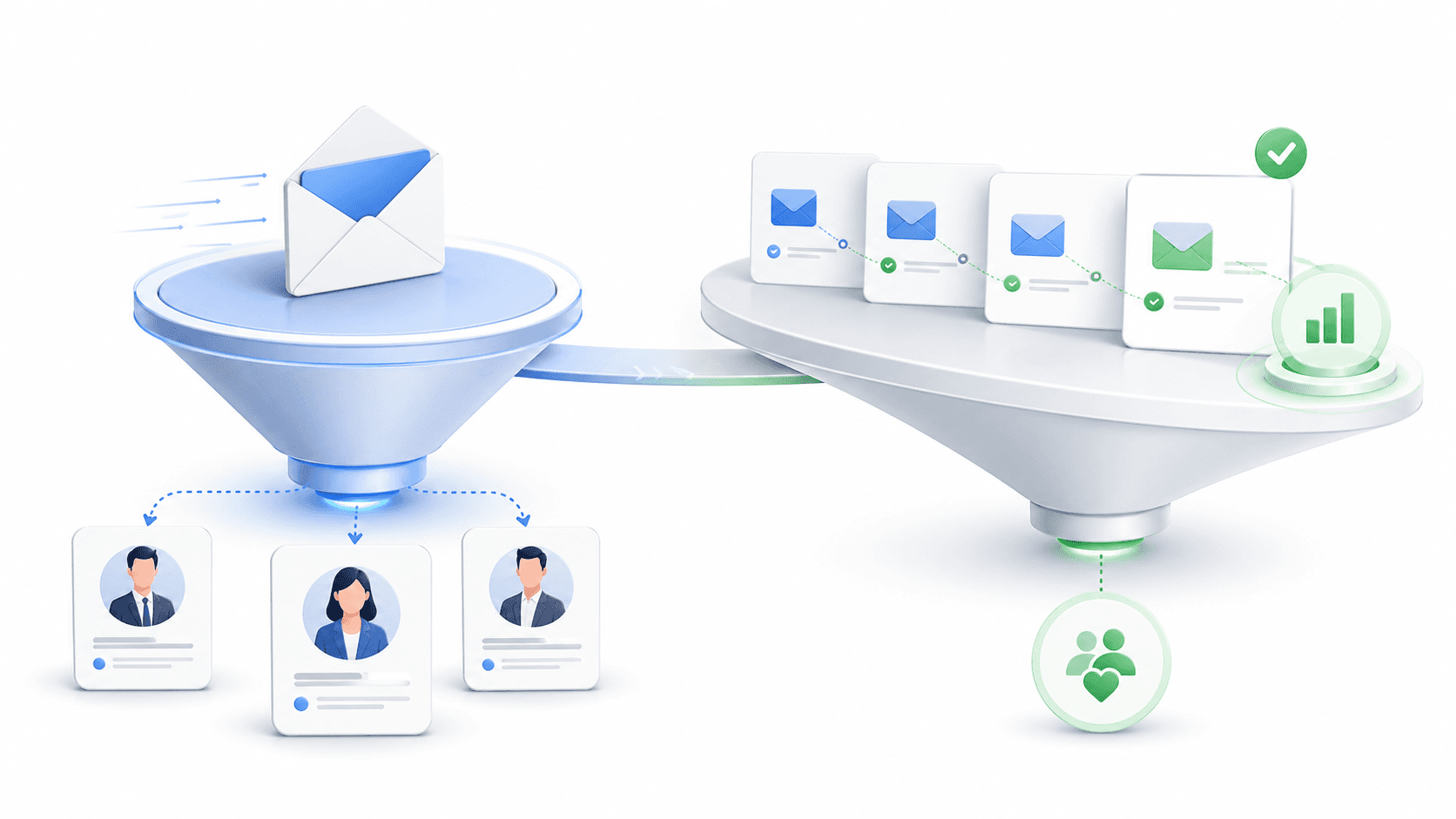
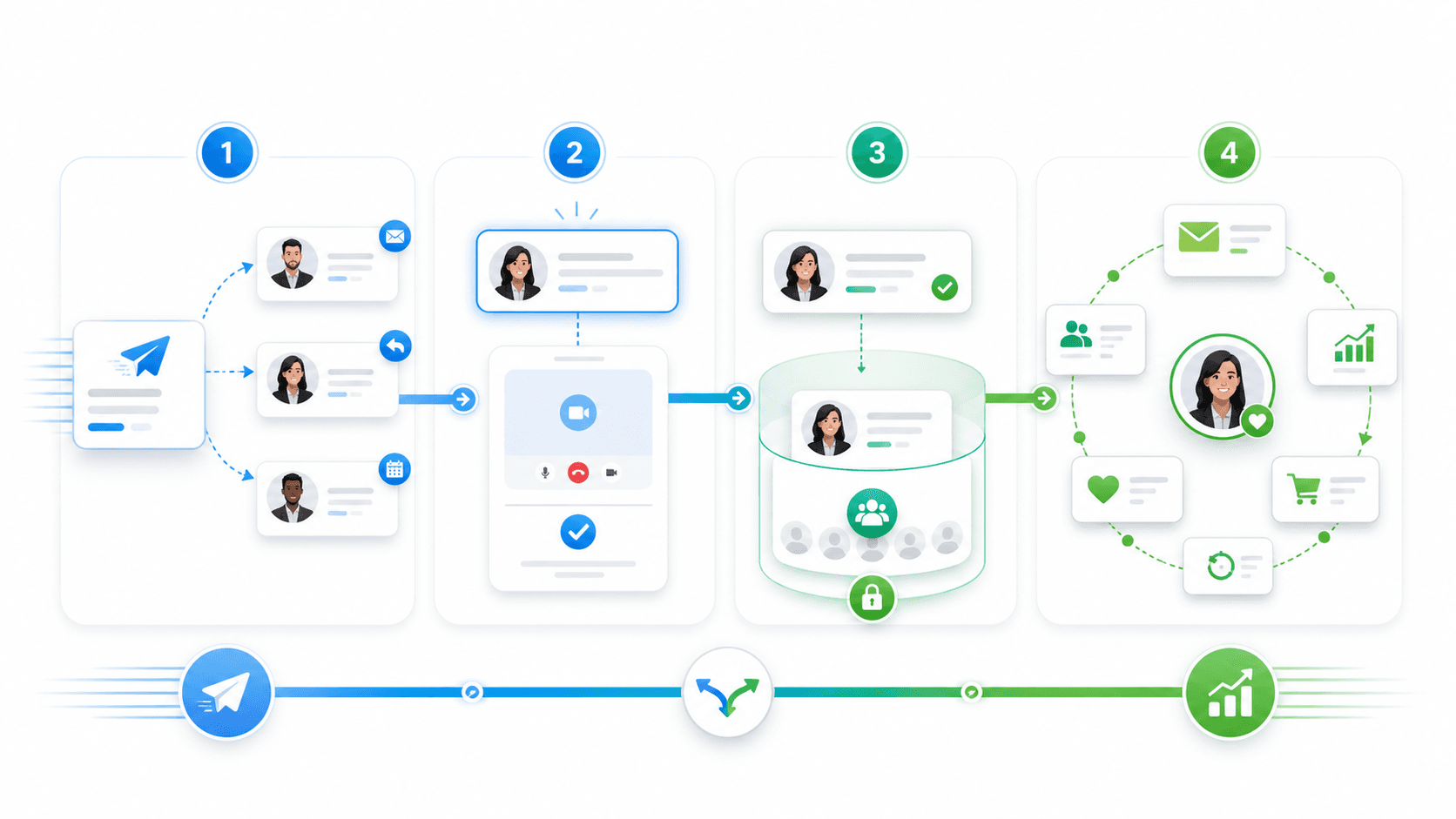
A simple model that works well for most B2B teams looks like this:
-
Cold email (an outbound marketing channel) reaches decision makers and starts conversations, leading to demos or calls.
-
After the demo or signup, the prospect becomes a user or subscriber – they opt into your email list and are now part of your email marketing universe.
-
Email marketing takes over with onboarding, case studies, nurturing sequences, upsells, and renewals.
Cold email handles speed: it gets you new opportunities quickly and helps you validate your ICP. Email marketing handles depth: it nurtures those opportunities, keeps customers happy, and grows their lifetime value.
Moving Prospects into Your Email List
You shouldn’t keep hammering cold prospects with a long, promotional drip sequence. Instead, give them clear reasons to opt in:
-
Lead magnets (templates, checklists, calculators)
-
Webinars or workshops that require registration
-
Free trials or tools where onboarding is done via email
Once they consciously opt into your list, you have permission to nurture them over the long term through automation and more detailed email campaigns.
Tracking Performance Across Both
To understand the impact of both channels, I strongly recommend:
-
Tagging lead source clearly in your CRM: “Cold email – LinkedIn”, “Newsletter – blog signup”, etc.
-
Tracking pipeline, campaign performance, and revenue by channel, not just opens and clicks.
-
Comparing CAC and LTV across channels so you can allocate budget correctly.
When you have this level of visibility, the question “cold email vs email marketing, which is better?” becomes less important. The real question is: which mix of cold emailing and email marketing gives you the most revenue for the least cost?
Cold Email vs Email Marketing: Which One Is Better for Your Business?
How to Choose Based on Your Situation
| Situation | Better choice | Why |
|---|---|---|
| Need meetings/demos fast | Cold email | Directly reaches decision‑makers and shortens time from zero to conversation |
| Already have a subscriber list | Email marketing | Leverages existing trust and attention to nurture and convert |
| Selling high‑ticket B2B | Cold email | Deep personalization at reasonable volume fits conversation‑driven sales teams |
| Building a long‑term brand | Email marketing | Regular, value‑driven contact keeps your brand top of mind |
If You Need Results Fast
If you’re a B2B SaaS or agency that needs booked demos in the next 30–60 days, cold email is usually the most straightforward choice. You can start small with a few hundred well‑researched prospects, test your messaging, watch the replies, iterate, and then scale what works.
Email marketing is still important at this stage, but it only fully shines when there are enough people on your list. Before that, cold email acts as the “pump” that brings the right people into your funnel in a cost effective way.
If You’re Playing the Long Game
If your focus is brand equity, content engines, community, and high LTV, email marketing is the foundation. Combined with content, referrals, and product‑led growth, it becomes a revenue engine that keeps working month after month without relying solely on ads or cold calling.
A Practical Recommendation for Most B2B Teams
For most B2B companies I’ve worked with, the realistic formula is:
-
Use cold email to create pipeline quickly, validate your ICP, and keep your calendar full of conversations with decision makers.
-
Build email marketing in parallel so you don’t waste any lead that enters the funnel.
Cold email starts the conversation and gives you direct access to people who might never find you otherwise. Email marketing turns those conversations into paying customers – and then into loyal customers who recommend you to others.
Frequently asked questions
Is cold email the same as email marketing?
No. Cold email is sent to cold prospects and potential customers who have never interacted with you and have no prior relationship, with the goal of starting a conversation. Email marketing is sent to subscribers who have opted in and shown interest, with the goal of building relationships and driving long‑term revenue.
Is cold email legal for B2B outreach?
In many B2B contexts, cold email can be legal if you follow the rules of each jurisdiction: CAN‑SPAM (US) is more opt‑out‑oriented, while GDPR (EU) and CASL (Canada) are stricter about consent and legitimate interest. You must use honest subject lines, clearly show your company identity and address, provide an opt‑out link in every message, and ideally consult a lawyer if you’re targeting strict markets or sending at scale.
Can I use my email marketing tool to send cold emails?
Technically, yes. But most email service providers are built for permission‑based email marketing and marketing campaigns, and their terms of service usually prohibit cold outreach – using them for cold email can get your account suspended and damage your deliverability. A safer approach is to use dedicated cold email tools for outbound sales prospecting and only sync people who have engaged or explicitly opted in to your email marketing platform.
Which works faster: cold email or email marketing?
Cold email usually delivers faster short‑term results: with a good list and strong personalization, you can see replies and meetings within a few weeks. Email marketing takes longer to build, because you need a list and habits, but once it’s running well, it generates stable revenue and is much harder to “turn off” accidentally.
Should I start with cold email or email marketing as a new B2B SaaS?
If you don’t have a list yet and need leads quickly, start with cold email to reach decision‑makers and book demos. Once you have traffic, trial users, or paying customers, layer in email marketing: welcome sequences, onboarding, product updates, case studies, renewals, and upsells. In the most successful teams I’ve seen, the question is never “cold email vs email marketing, which is better?”, but “how do we start with cold email to survive, and build email marketing to grow?”
Start your first campaign with 100 free credits
Verified emails from Instagram, Facebook, LinkedIn, X, YouTube, and TikTok — all in one cloud workflow. No card required.